LinkedIn Articles
Is your business travel programme ready to support international growth? As manufacturers expand into new markets, increasing numbers of travellers, bookings and operationally important journeys can put existing arrangements under pressure.
Scalable travel management can reduce administration, improve visibility and give employees the support they need as international activity grows.
How much is business travel really costing your manufacturing business? The answer may extend beyond flights, hotels and rail fares to include employee time, missed refunds, unused tickets, administration and the wider impact of disruption.
Better visibility can help manufacturers control costs, reduce waste and make smarter travel decisions.
Can you account for business travel costs by project, customer or cost centre? For manufacturers, knowing where travel expenditure belongs can reveal the true cost of delivering contracts and supporting customers.
Better visibility can help identify hidden costs, understand project profitability, improve budgeting and make more informed commercial decisions.
Manufacturing business travel often involves finance, procurement, operations, HR and individual travellers, but without clear ownership, organisations can struggle to understand costs, manage disruption and maintain control.
Establishing responsibility for business travel can improve visibility, reduce administrative burden and create a more effective travel programme that supports both employees and operational requirements.
When an engineer cannot reach a customer, the consequences can extend far beyond a cancelled flight, affecting installations, maintenance schedules, production and important customer relationships.
For manufacturers, effective business travel management means having the support, visibility and contingency plans needed to respond quickly when journeys do not go to plan.
Manufacturing business travel is more than an administrative expense: it helps engineers reach customer sites, supports installations, strengthens supplier relationships and keeps critical projects moving.
Managing travel effectively can reduce disruption, improve visibility and traveller support, and ensure employees can focus on the operational work that takes them away from base.
Lufthansa’s 100-year journey is more than a milestone, it’s a story of resilience, reinvention and staying relevant in an industry defined by constant change.
In reflecting on its evolution, we’re reminded why experience, consistency and trust still matter so much in modern business travel.
The recent Booking.com cyber incident highlights how exposed travellers can be when booking through unmanaged platforms, with hackers using real reservation data to launch convincing phishing attacks - raising serious concerns for business travel and duty of care.
For organisations, it underlines the growing risk of fragmented booking environments and reinforces the need for a controlled, secure approach to business travel that protects both people and data.
News
United Airlines has introduced 30 new chef-created dishes for its Polaris international business class passengers, bringing restaurant-inspired dining to long-haul flights through its partnership with Netflix’s Chef’s Table series.
The new menus include creations from Michelin-starred London chef Tomos Parry, offering UK business travel passengers greater choice and an enhanced onboard experience.
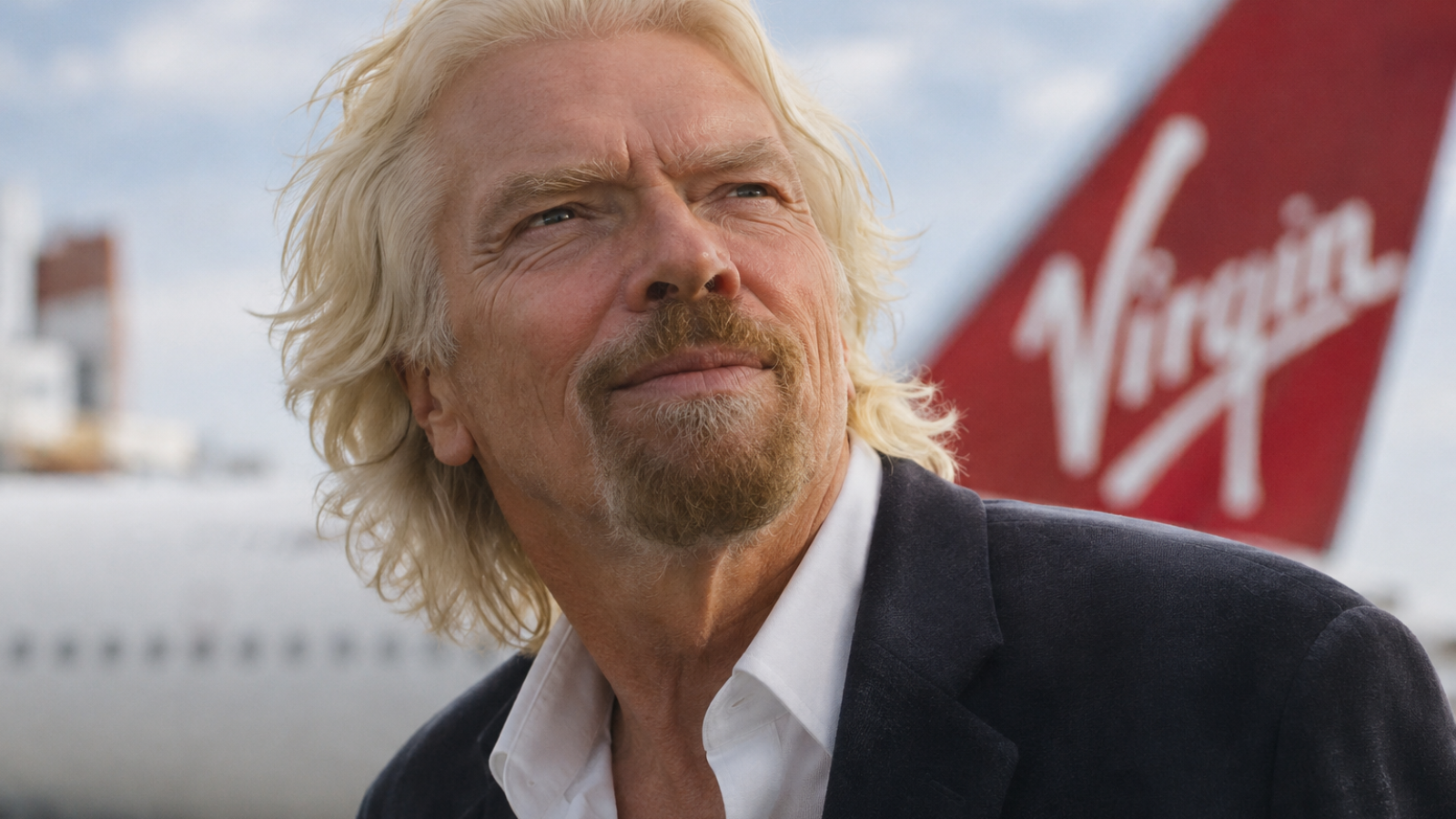
Heathrow's plans to separate Delta Air Lines and Virgin Atlantic have prompted a furious response from Sir Richard Branson, who warns the changes could weaken competition and increase transatlantic fares.
With longer connections and potentially higher costs at stake, what could the terminal shake-up mean for UK business travel?
Lufthansa Group has renamed its Green Fare as Impact Fare, reflecting tougher environmental marketing rules while continuing to support sustainable aviation fuel and climate protection projects through passenger bookings.
The change highlights the growing importance of transparency in business travel, helping UK companies understand environmental contributions and make informed travel decisions.
easyJet is introducing high-speed Starlink Wi-Fi across its Airbus fleet from 2027, allowing passengers to stay connected, access emails and work online while flying across Europe.
The development promises to make short-haul business travel more productive, giving UK travellers greater flexibility and connectivity throughout their journeys.