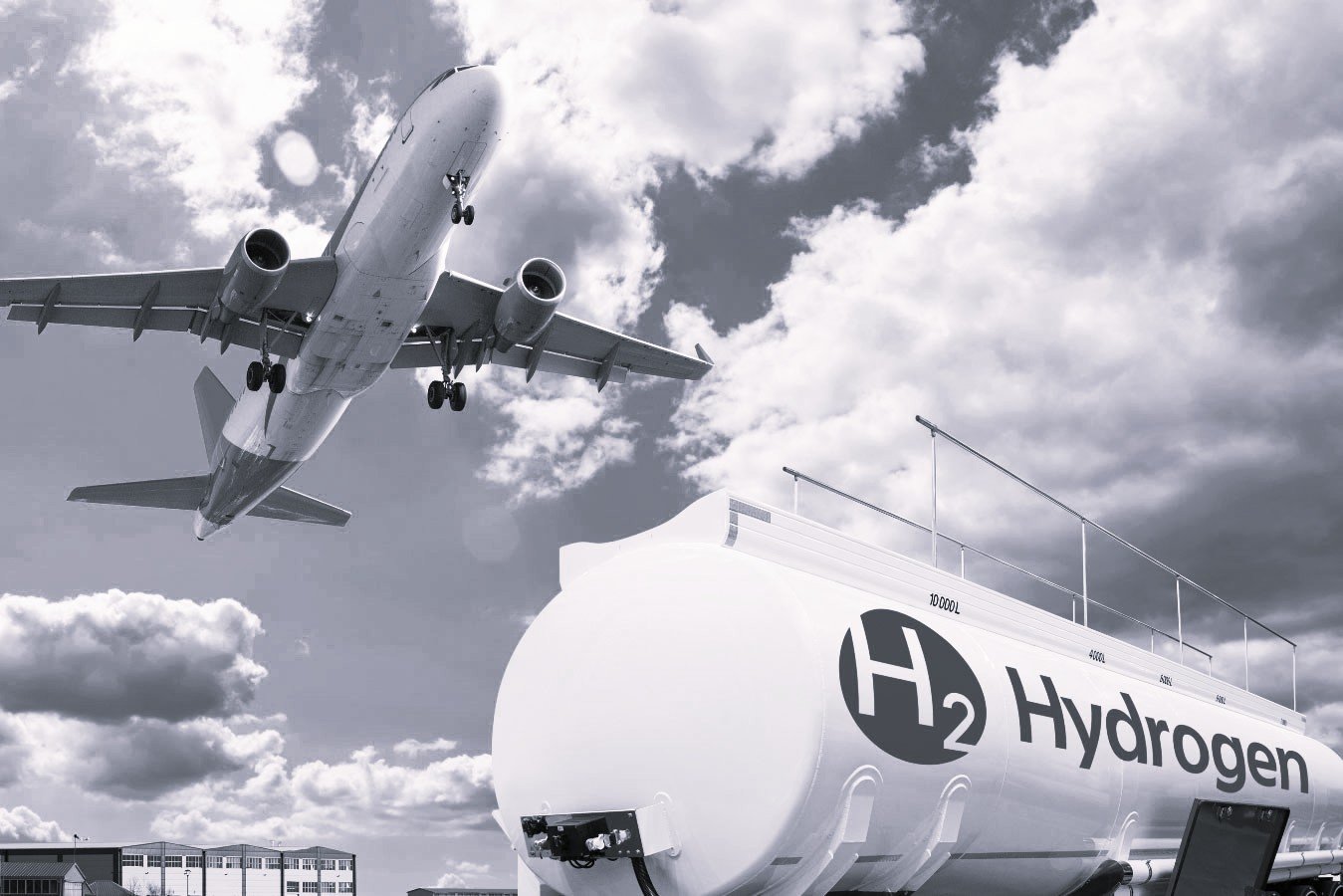
Hydrogen-powered aircraft could reshape the future of business travel in the UK and Europe
A new industry report from Rolls-Royce, easyJet, Heathrow and University College London’s Air Transportation Systems Lab has concluded that hydrogen-powered aircraft could play a major role in cutting aviation carbon emissions across the UK and Europe while still supporting future growth in air travel.
For UK-based business travel programmes, the findings are particularly relevant because they point to a realistic pathway for reducing the environmental impact of corporate travel without constraining connectivity, capacity or network choice, especially on short-haul and intra-European routes that are critical for business travellers.
The study, Enabling Hydrogen in the European Aviation Market, highlights how hydrogen aviation, introduced alongside Sustainable Aviation Fuel (SAF), could accelerate progress towards net zero when supported by appropriate policy incentives. The research suggests that hydrogen could be especially effective if it were recognised within the EU’s SAF mandate, creating clearer investment signals for airlines, manufacturers and airports.
Crucially, the analysis found that focusing hydrogen infrastructure investment at around 20 major European airports - including Heathrow - could deliver more than 80 per cent of the potential emissions reductions that would be achieved by a fully hydrogen-enabled network. Concentrating resources on a limited number of high-traffic ‘hydrogen hubs’ would therefore offer a cost-effective and operationally practical route to early adoption, with limited disruption to airline schedules and business travel itineraries.
The modelling also demonstrates that earlier deployment of novel technologies, such as hydrogen propulsion, unlocks significantly greater opportunities for CO₂ reduction over time. This reinforces the importance of early, financially viable transitions to new aircraft and fuels, rather than deferring action until later decades.
The study is underpinned by UCL ATSLab’s Airline Behaviour Model, which reflects the real-world complexity of airline decision-making by incorporating behavioural, cost and incentive-based variables. By modelling how airlines respond to fuel prices, regulatory frameworks and emerging technologies, the research provides a realistic, evidence-based assessment of how hydrogen adoption could unfold in practice, including both the opportunities and the challenges.
Prof. Hervé Morvan, Chief of Future Platforms, Group R&T, Rolls-Royce, said:
“While our immediate opportunities lie with increased engine efficiency and SAF adoption, by continuing the industry’s development of hydrogen propulsion and strategic infrastructure investment, we stand to achieve net-zero faster while protecting the vital economic benefits that aviation brings. This research demonstrates hydrogen’s potential to deliver substantial emissions reductions and growth advantages as part of a diverse long term technology strategy.”
Lahiru Ranasinghe, Director of Sustainability at easyJet, said:
“This study outlines the importance of hydrogen as one of the solutions that can help accelerate decarbonisation and support economic growth at the same time. There are many technological and infrastructure challenges to overcome, however we continue to see progress and we remain committed to playing an active role on this journey.”
Matt Gorman, Director of Carbon Strategy at Heathrow, said:
“It’s exciting to see the study confirm how hydrogen infrastructure at a small number of major airports could deliver most of the carbon benefits of hydrogen aircraft adoption. At Heathrow, we’re preparing to support multiple measures to address aviation emissions, ensuring safe and effective adoption as soon as these technologies arrive.”
Dr Khan Doyme, Senior Research Fellow at the Air Transportation Systems Lab, said:
“Our modelling shows that hydrogen and SAF together can deliver both sector growth and decarbonisation. Coordinated action between manufacturers, airlines and airports will be essential to realise hydrogen’s full potential.”
From a business travel perspective, the findings indicate that future low-carbon aviation does not have to come at the expense of frequency, choice or access to key commercial centres. As airlines progressively adopt hydrogen and SAF-powered aircraft on high-density routes from major hubs, corporate travellers can expect sustainability improvements to be embedded within existing travel patterns rather than imposed through restrictions.
Paul Baker, Sales Director of Global Travel Management, said:
“For UK-based business travellers, this research is encouraging because it shows that meaningful emissions reductions can be delivered through innovation and infrastructure, without limiting the routes and schedules that companies rely on. Developments like hydrogen aviation will allow organisations to pursue more sustainable business travel strategies while maintaining productivity and connectivity.”
The research was sponsored by the Aerospace Technology Institute, the Department for Business and Trade and Innovate UK, and is based on fuel price data from the International Energy Agency, aligned with assumptions used in the EU’s ReFuelEU initiative.
If you would like help to develop your business travel programme in order to make the most of advances towards net zero, please contact your Global Travel Management Account Manager for further information.